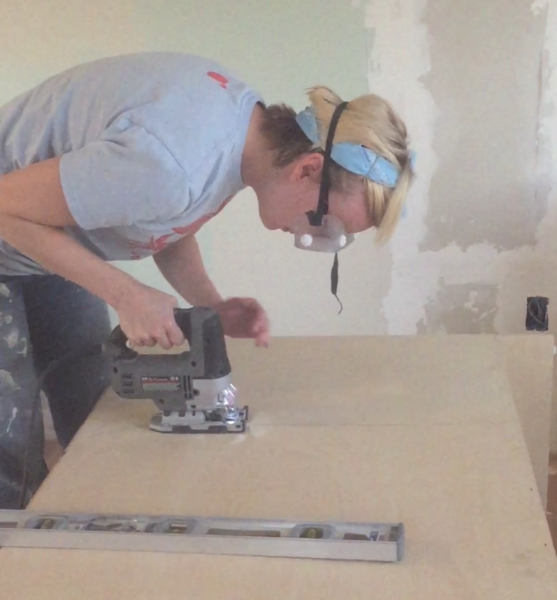
Kirsten and a power saw
I love power tools: table saws, electric drills, sanders, and nail guns. The right tool and the skill to wield it, helps me turn my vision into reality. So, what about all the communications “tools” promised to me in my email inbox?
Tools to help you reach more people, “The 5 five tools you need to hone your message”, or “This new tool is perfect for your next project.”
Any legit DIY-er knows that it isn’t about owning every tool (who has the storage?) – it is about using the right tool for the right job.
There is a tool in your communications toolbox that you are probably using wrong, and it is doing more harm than good.
That tool is jargon. Those of you who have been a part of The Goodman Center community for a long time, might be surprised to hear me even call it a tool instead of imploring you to STOP USING JARGON, like Kentucky Governor Andy Beshear asked democrats to do recently on the Daily Show.
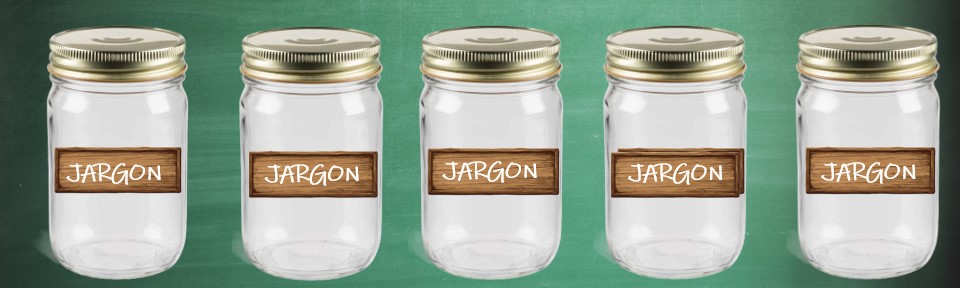
 Beshear makes some great points, but I think Jon Stewart has a better take. “It’s about connecting.” When we are speaking to a wider audience, or to people outside the inner sanctum of our issue, then jargon is confusing, off-putting, or as Andy Goodman always likes to say, “Jargon jars.”
But, hear me out here: jargon has a purpose. As long as humans have been speaking to each other, we have invented words that not only communicated content, but also belonging. We’ve created euphemisms, slang, and codes. We create words and phrases that tell us more than the facts, they tell us what we believe about those facts. Jargon isn’t always legal-ese or scientific acronyms you’ll never use. Jargon can be insider language we use for issues we care about.
Let’s take the example of “the unhoused.” American culture has coined many words and phrases to describe our neighbors without houses over the years, like “tramp,” “hobo,” and “bum.” Those words got replaced when there was broader recognition of how dehumanizing they were. “Homeless” gained popularity in the 1970s and 80s, and then in the modern era, we changed to person-first language: “people experiencing homelessness,” and it hasn’t stopped there. Some people prefer “houselessness,” “unhoused,” or “unsheltered”. No doubt we will be using different terms in years to come.
In the Daily Show clip, Beshear acknowledges that often jargon is coined to beat stigma, and I’m glad he says that. However, he implies that speaking with jargon isn’t speaking like a “normal human being,” and I have to disagree. As a social species, humans love to create safety by forming in-groups and out-groups with our language. That has evolutionary value, and it has strategiccommunications value. Nothing could be more human.
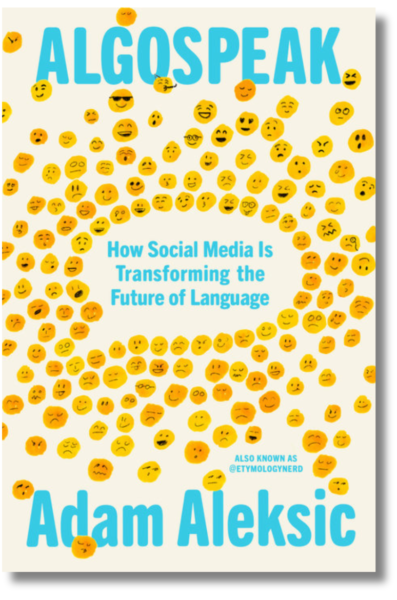 In his book, Algospeak, etymologist Adam Aleksic shares that using insider language is a signal that we have “accepted certain shared cultural norms.” At a nonprofit conference we might talk about “justice-involved populations” because it indicates that we care about systems change. In other contexts, we are likely to leave our audience confused.
British advertising tycoon David Ogilvy said, “If you’re trying to persuade people to do something, or buy something, it seems to me you should use their language, the language in which they think.”
The National Gallery of Art has recently crafted a perfect example of this. Alison Luchs has gone viral with a combined 9 million views of her art explanations in Gen Z slang. The museum is seekingto attract content creators who will reinterpret the galleries collection through a social media lens. She’s speaking their language.
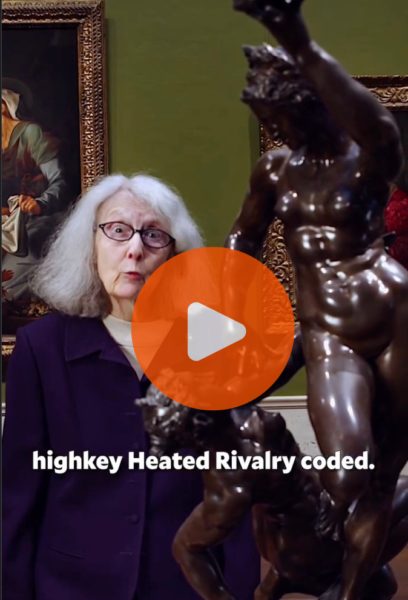 Time will tell if the viewing numbers will translate to their submission goals. What I love about this series of posts is that they are using insider language purposefully, and the theme is organically connected to the project they are working on.
Jargon and insider language have purpose. They can be used to form bonds and quickly establish shared values between the people who already know that language. Jargon is a specialty tool best used with people in your field and, like any tool, used with caution.
When you want to connect to the people who aren’t yet experts at what you do, use the concrete language of storytelling. As a comms DIY-er, I can tell you, that is the most powerful tool to turn your vision into reality.
For more tools and insights on jargon, sign up for the Goodman Center’s next Strategic Communications Workshop on March 31 and April 2.